


Best Decktopus alternatives: top 9 in 2026
![Decktopus alternatives: the top 9 [updated for 2026]](https://cdn.prod.website-files.com/59e16042ec229e00016d3a66/697007340022af636c7c50fd_696199545884c98fafd66860_696192c5230f9c89d6b4ced9_beautiful%2520ai%2520vs%2520Decktopus.avif)

Best Decktopus alternatives: top 9 in 2026
The rise of AI-powered presentation software has changed how teams approach slide creation. Instead of starting from a blank slide deck, modern tools now use AI presentation workflows, smart layouts, and AI-generated content to streamline presentation creation. This shift has pushed platforms like Decktopus into the spotlight, especially for users who want fast, structured results without deep design work.
As more AI presentation makers enter the market, teams are increasingly comparing Decktopus alternatives based on ease of use, templates, customization options, and pricing. Some users prioritize automated workflows, while others need tighter control over fonts, multimedia, or export formats like PPT and PPTX. This guide breaks down how Decktopus fits into the broader presentation platform landscape and which alternatives are worth considering in 2026.
What is Decktopus?
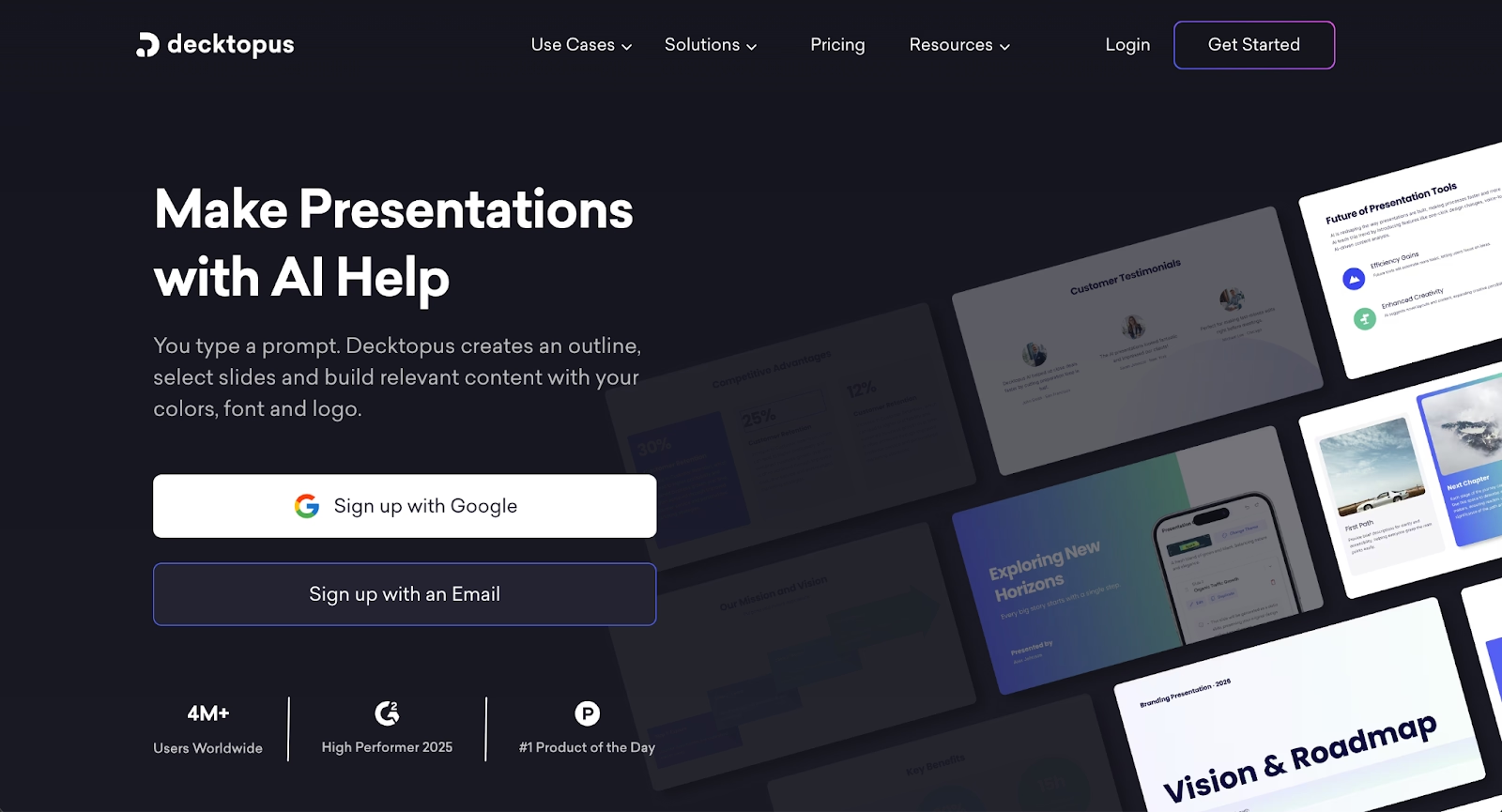
Decktopus is an AI-powered presentation tool designed to simplify slide creation through guided workflows and automation. Users start with a text prompt or use case, and Decktopus AI generates a structured slide deck complete with presentation templates, suggested layouts, and placeholder content. This approach helps presenters move quickly from idea to high-quality presentation without relying heavily on manual formatting.
The platform focuses on usability and speed, making it popular for pitch decks, internal docs, and business presentations. Decktopus supports cloud-based collaboration, multimedia embedding, and basic customization options such as fonts, colors, and slide layouts. While it does not aim to replace full design suites like PowerPoint or Google Slides, it works well as a presentation generator for teams that want to streamline slide creation and reduce setup time.
Why look for Decktopus alternatives?
Although Decktopus offers a strong AI-driven workflow, it may not suit every presentation use case. Some teams require deeper customization options, more advanced animations, or tighter control over branding elements such as fonts and layout grids. Others prefer tools that integrate more closely with Microsoft PowerPoint, Google Slides, or existing docs-based workflows.
Pricing is another factor. While Decktopus includes a free version and paid plans, users often compare it against alternatives like Beautiful.ai, Canva, or Gamma to assess long-term value. Teams working with complex slide decks, case studies, or high-stakes presentations may also need broader export formats, stronger real-time collaboration, or advanced AI tools such as image generators, ChatGPT-style assistants, or generative AI features.
Top 9 Decktopus alternatives
The presentation software market now spans a wide range of AI-powered presentation tools, from fully automated generators to flexible, design-first platforms. While Decktopus emphasizes guided slide creation and speed, many alternatives focus on different strengths, such as deeper customization, real-time collaboration, or tighter integration with PowerPoint and Google Slides.
Beautiful.ai
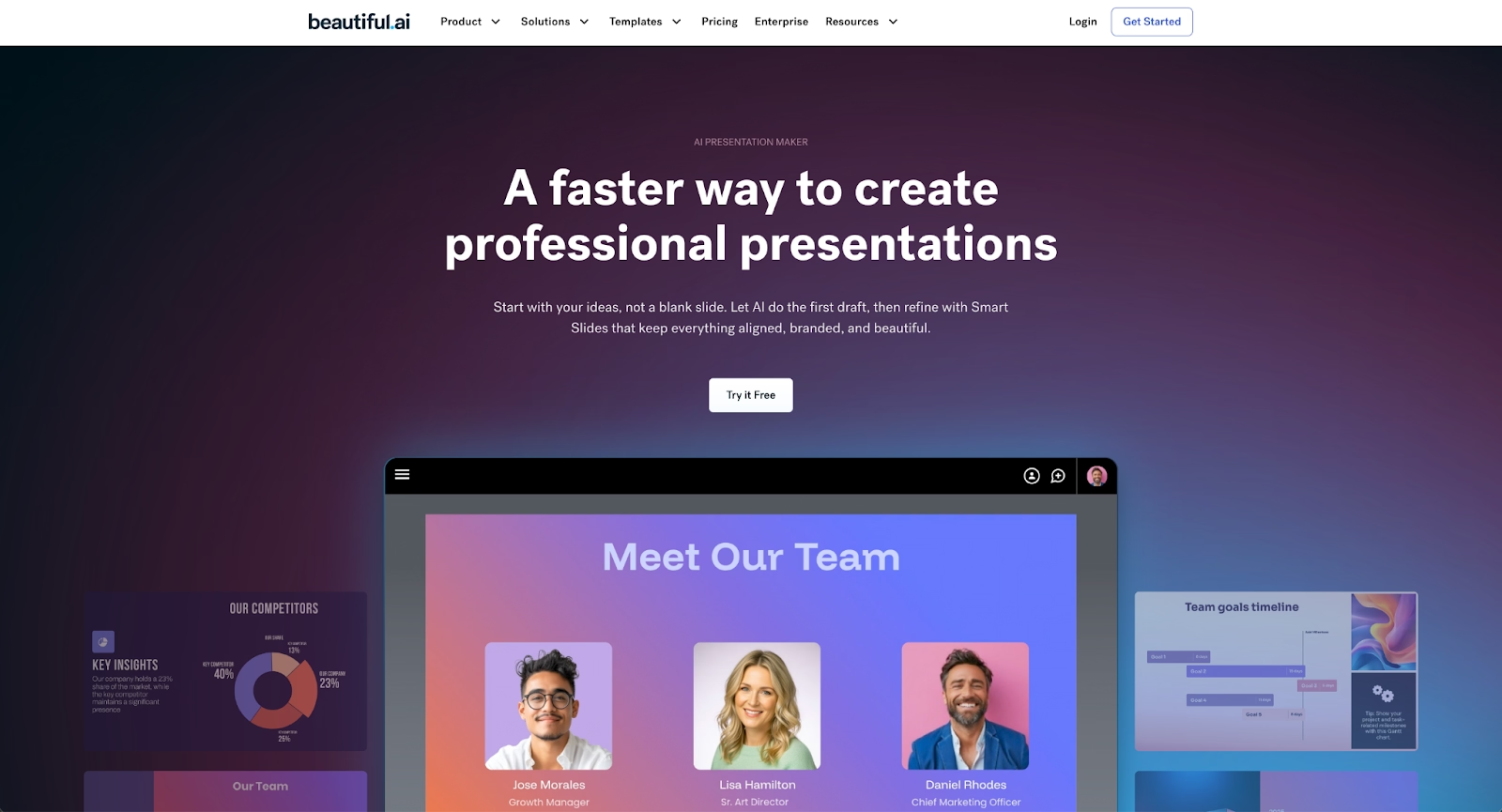
Beautiful.ai is an AI-powered presentation platform built around automated design rules. Instead of manually adjusting layouts, users work with smart templates that automatically adapt as content changes. Spacing, alignment, fonts, and visual hierarchy are handled in real time, helping teams produce a high-quality presentation without design overhead.
Compared to Decktopus AI, Beautiful.ai places stronger emphasis on layout consistency and visual polish rather than guided prompting. It works especially well for business presenters who want reliable structure, clean slide creation, and professional results across pitch decks, reports, and executive presentations. Built-in collaboration features and cloud-based access make it suitable for teams that need consistency at scale.
Canva
Canva is a widely used design and presentation tool known for its drag-and-drop editor and extensive template library. Canva supports presentation templates, multimedia assets, animations, and a broad range of visual formats beyond slides, including social content and docs. Its AI tools can assist with content generation and image creation, making it accessible to non-designers.
As a Decktopus alternative, Canva offers more manual control over layouts, fonts, and customization options. However, this flexibility can add friction to presentation creation, especially for users who want fully automated slide generation. Canva is often preferred by teams that value creative control and cross-format design workflows over structured AI-driven presentation generation.
Gamma
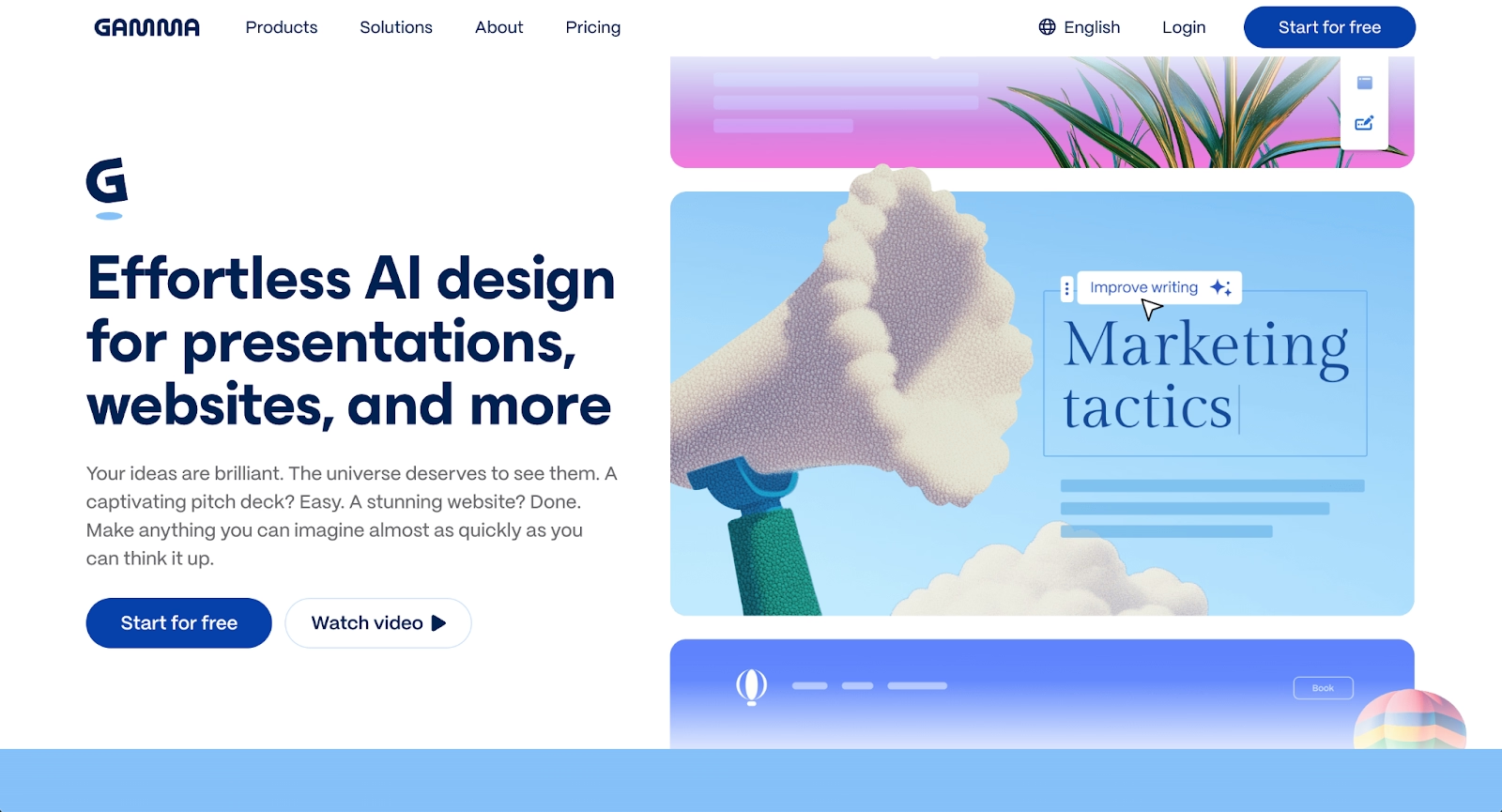
Gamma is an AI-driven presentation platform that uses a card-based, web-native format instead of traditional slides. Users generate presentations from a text prompt, and Gamma automatically structures content into responsive layouts that work well for sharing as links or cloud-based presentations. This makes it popular for fast-moving teams and async presenters.
When compared to Decktopus, Gamma offers more flexibility in narrative flow and audience engagement but less emphasis on traditional PPT-style slide decks. It appeals to users who prioritize modern presentation formats, AI-generated structure, and lightweight workflows over exporting polished PowerPoint presentations or PPTX files.
Microsoft PowerPoint
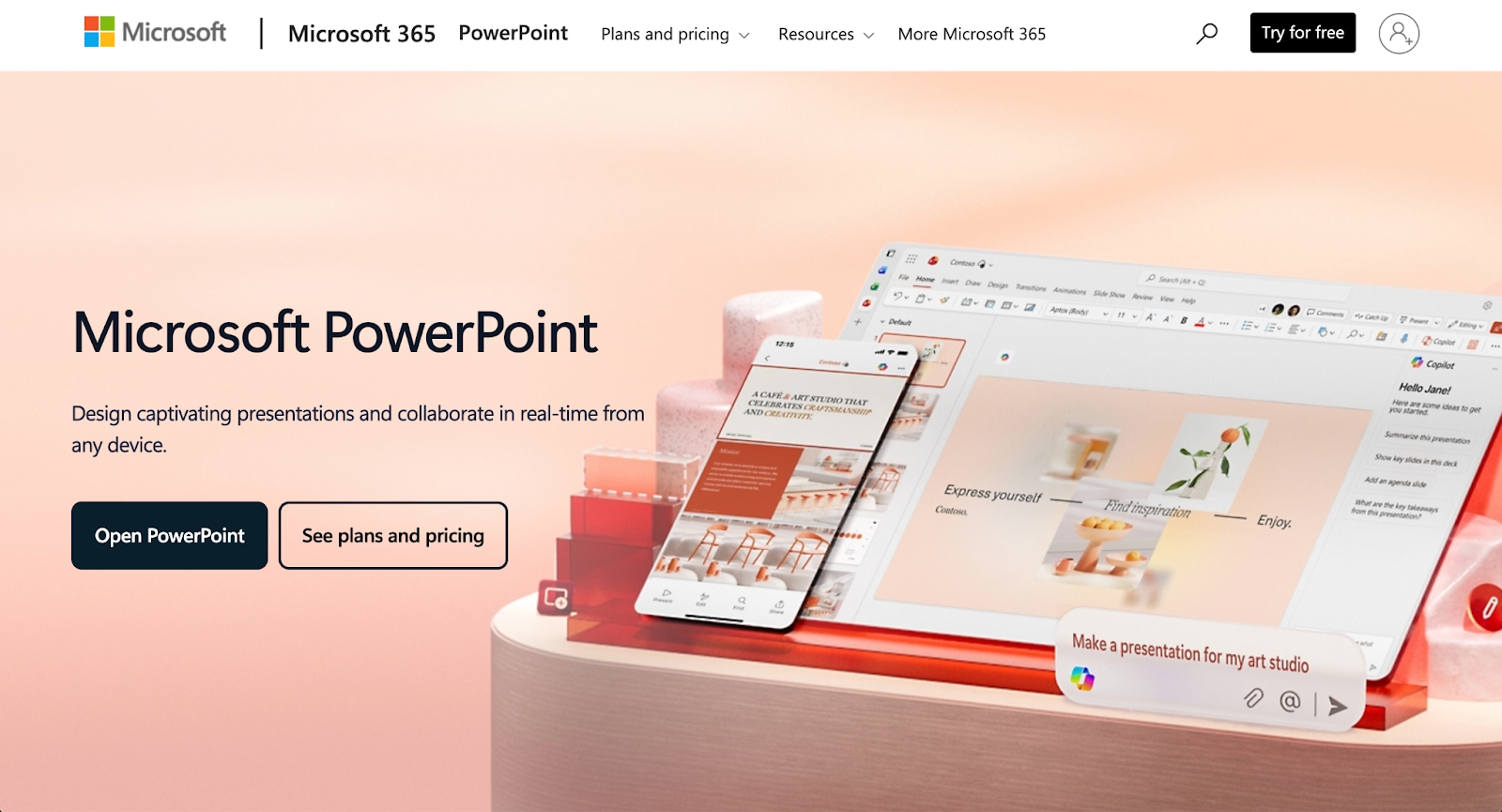
Microsoft PowerPoint remains the most widely used presentation tool globally, especially in enterprise environments. PowerPoint provides deep customization options, advanced animations, multimedia support, and broad export formats, including PPT and PPTX. With the addition of AI features through Microsoft Copilot, it now supports AI-assisted slide creation and content generation.
As a Decktopus alternative, PowerPoint offers unmatched control and flexibility but requires more manual work during slide creation. It is best suited for teams that need full design control, complex animations, or seamless integration with Microsoft Docs and enterprise workflows, even if that comes at the cost of speed and automation.
Pitch
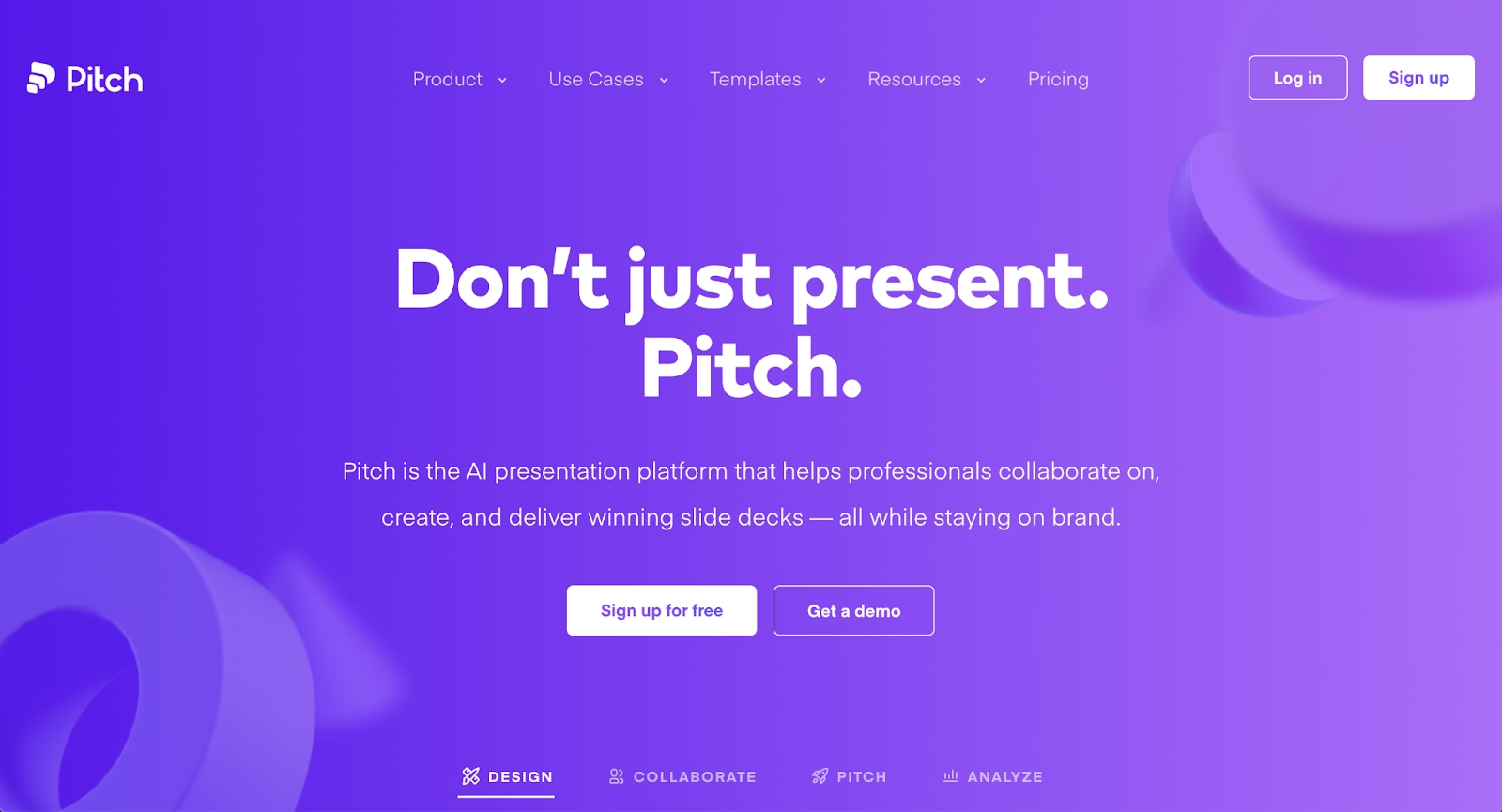
Pitch is a cloud-based presentation platform built for collaborative teams. It combines structured presentation templates with real-time editing, version history, and shared workspaces. Pitch is especially popular among startups and go-to-market teams that rely on pitch decks, sales presentations, and fast iteration cycles.
Compared to Decktopus AI, Pitch focuses less on guided AI generation and more on teamwork and workflow efficiency. While its AI tools assist with slide creation and formatting, users still have more hands-on control over layouts and fonts. Pitch is a strong Decktopus alternative for teams that prioritize real-time collaboration and presentation quality over fully automated slide generation.
Plus AI
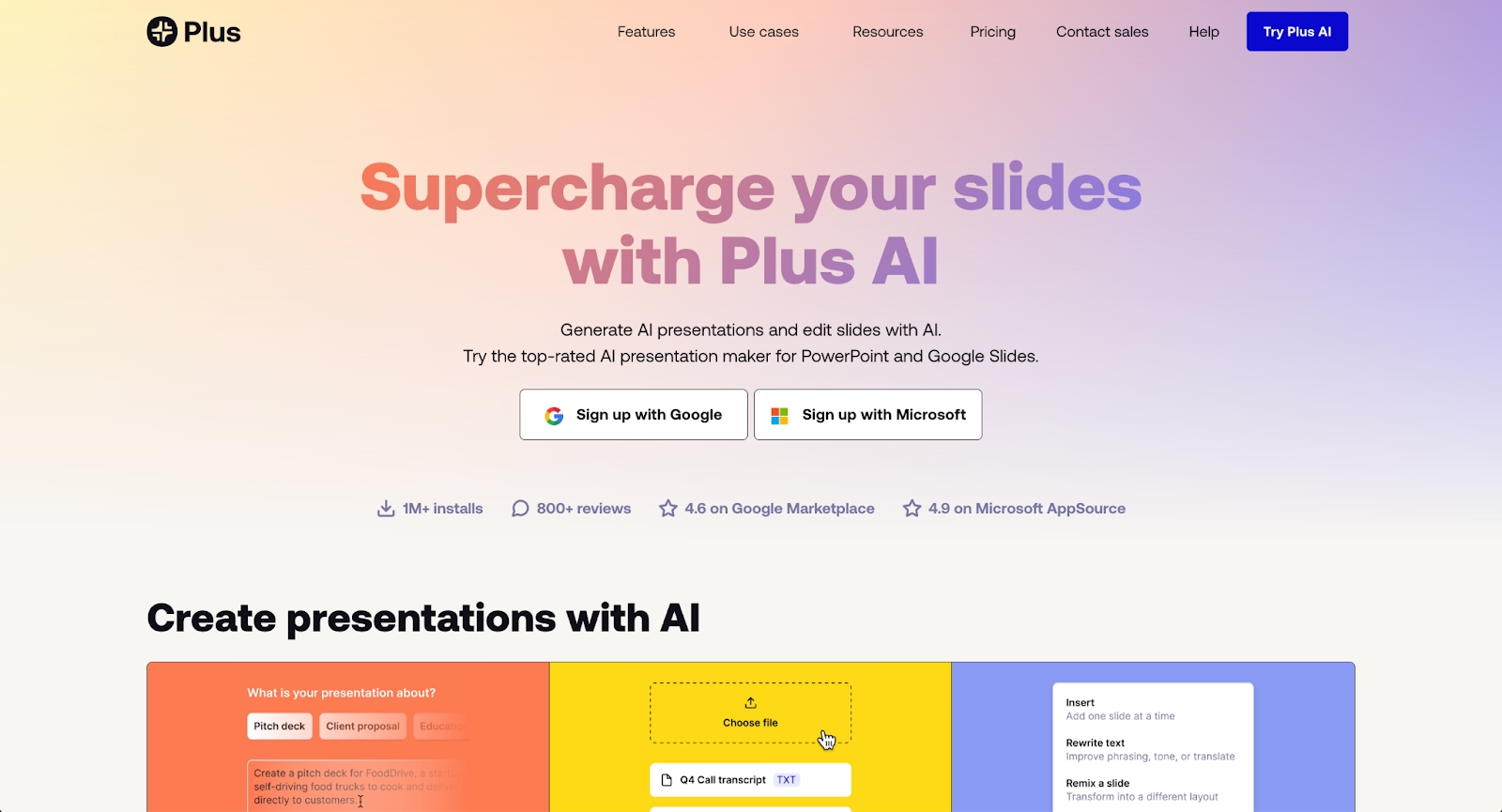
Plus AI takes a different approach from standalone presentation platforms. Instead of replacing existing tools, Plus AI works directly inside Microsoft PowerPoint and Google Slides. It acts as an AI assistant that helps generate slides, outlines, and content from a text prompt while keeping everything native to PPT or Google Slides formats.
As a Decktopus alternative, Plus AI is ideal for users who already rely heavily on PowerPoint presentations or Google Slides and want to add AI-powered presentation creation without changing platforms. It supports AI-generated slides, live data snapshots, and workflow automation, but it depends on the host presentation software for design, layouts, and animations.
Prezi
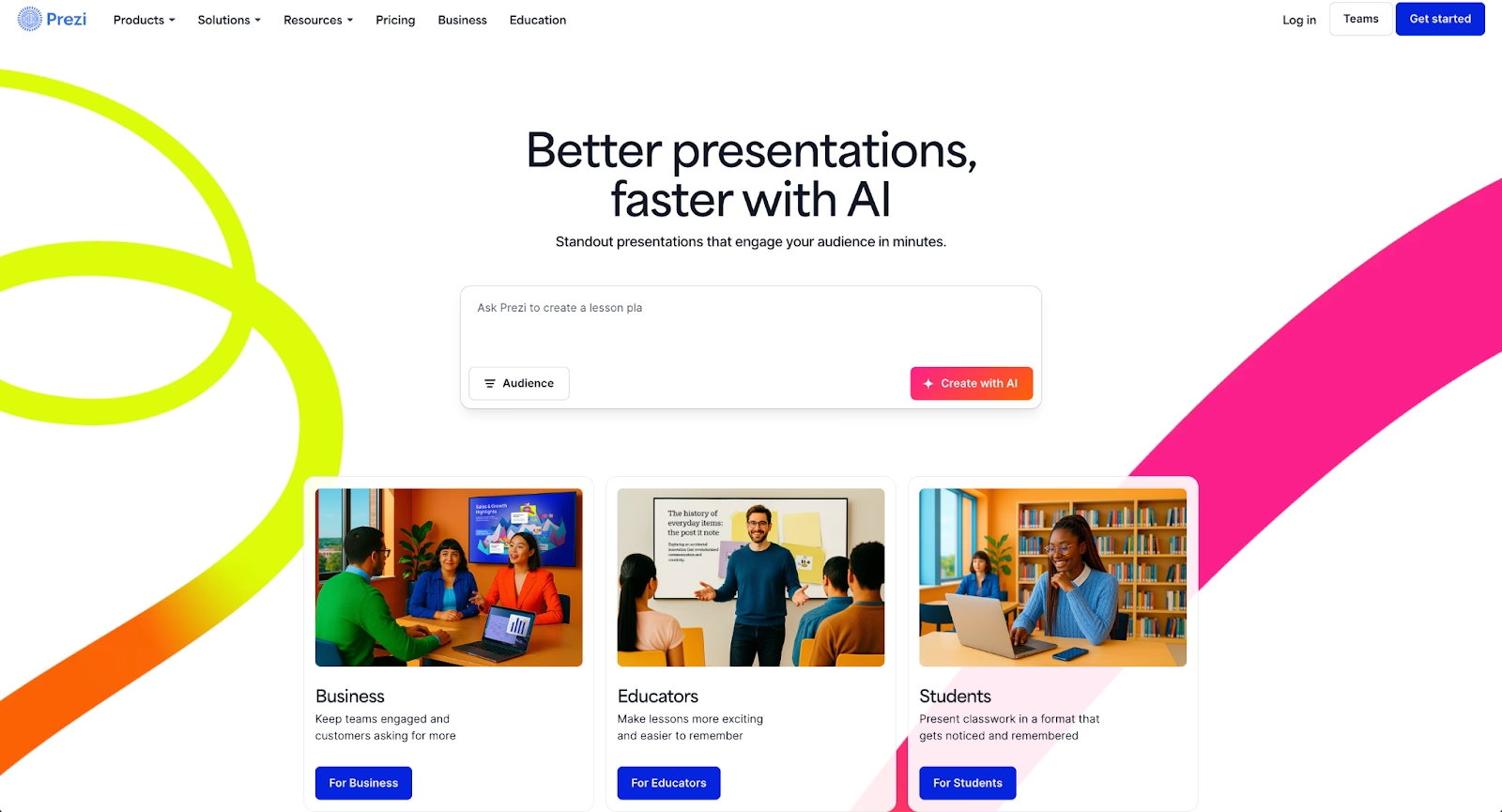
Prezi is known for its non-linear, zoom-based presentation style. Instead of traditional slide decks, Prezi uses a spatial canvas that allows presenters to move fluidly between topics. This approach can improve audience engagement, especially for storytelling-focused or conceptual presentations.
When compared to Decktopus, Prezi offers less AI-driven slide creation and fewer automated layouts. However, it excels at visual storytelling, animations, and presenter-led delivery. Prezi is best suited for users who want a dynamic presentation platform rather than a traditional PPT-style presentation generator.
Slidebean
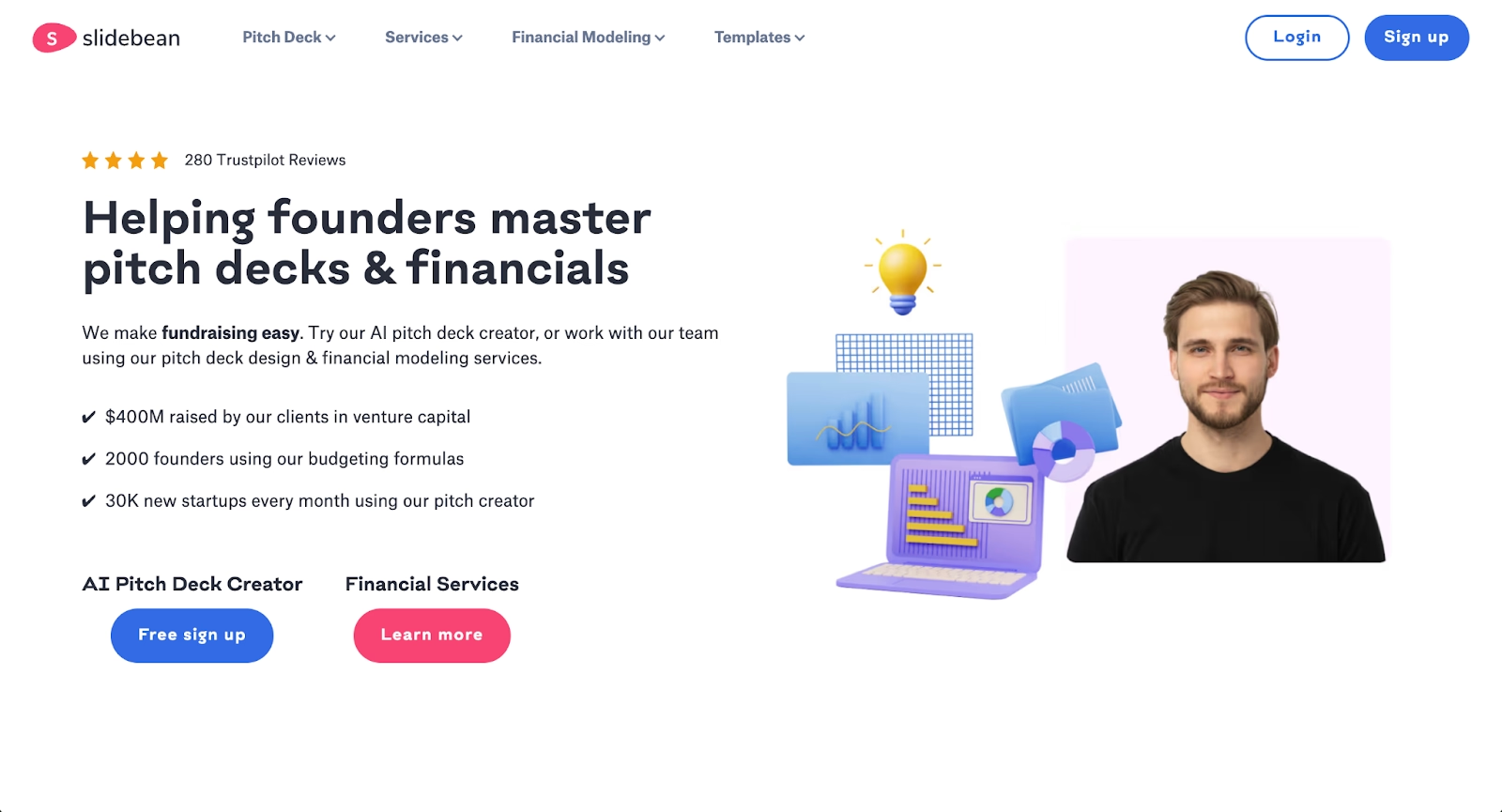
Slidebean is an AI-powered presentation generator designed primarily for startups, founders, and fundraising teams. Users input content, and Slidebean automatically arranges it into clean, professional slide layouts optimized for pitch decks and investor presentations.
As a Decktopus alternative, Slidebean offers a more opinionated, automation-first workflow with fewer customization options. It emphasizes speed, structure, and high-quality presentation output rather than flexible design control. This makes it well suited for users who want fast, AI-driven slide creation with minimal manual editing.
Visme
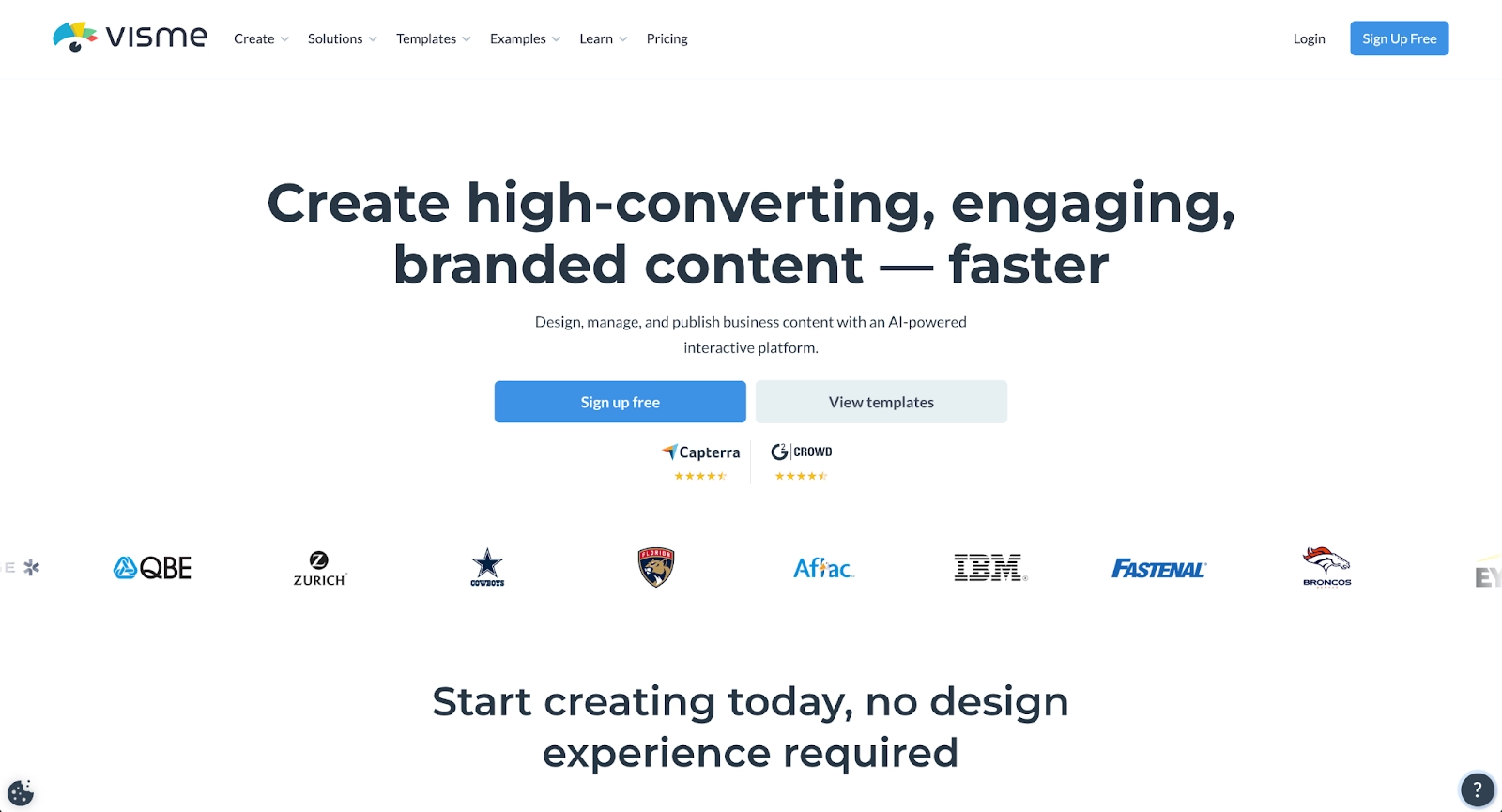
Visme is a versatile presentation and visual content platform that supports presentations, infographics, docs, and multimedia assets. It offers a wide range of presentation templates, advanced data visualization tools, and branding features, along with AI-assisted content creation.
Compared to Decktopus AI, Visme provides more customization options, richer multimedia support, and stronger control over formats and layouts. While its AI tools help streamline presentation creation, Visme still requires more manual input. It is a strong Decktopus alternative for teams that need flexible design, interactive elements, and high-quality presentation assets across multiple use cases.
Key comparison criteria
When evaluating Decktopus alternatives, it helps to look beyond surface-level features and focus on how each presentation platform supports real-world workflows. Some tools emphasize AI-driven automation, while others prioritize customization, collaboration, or compatibility with PowerPoint and Google Slides. The criteria below highlight the most important factors teams consider when choosing an AI-powered presentation tool in 2026.
AI features
AI capabilities are often the first point of comparison between Decktopus and its alternatives. Decktopus AI focuses on guided slide creation using a text prompt, helping users generate a complete slide deck quickly. Other platforms expand this with more advanced AI tools, including AI assistants, generative AI for images, and ChatGPT-style content refinement.
Tools like Beautiful.ai and Slidebean emphasize AI-driven layout control, while Gamma and Tome lean into AI-generated structure and narrative flow. Some platforms, such as Plus AI and Microsoft PowerPoint with Copilot, embed AI directly into existing workflows, allowing users to apply AI-powered presentation features without leaving familiar tools.
Ease of use
Ease of use plays a major role in presentation creation, especially for teams that produce slides frequently. Decktopus is designed to streamline the process with step-by-step guidance and pre-built layouts, reducing friction for non-designers. This makes it accessible for presenters who want quick results without managing every design detail.
Other Decktopus alternatives take different approaches. Canva and Visme offer intuitive drag-and-drop editors but require more manual decisions. PowerPoint and Google Slides provide familiarity but involve a steeper learning curve when building high-quality presentations from scratch.
Design quality and templates
Design quality affects how professional and credible a presentation feels. Most modern presentation software includes presentation templates, but the way these templates behave varies widely. Decktopus provides structured layouts that help maintain consistency, while platforms like Beautiful.ai automatically adjust spacing, fonts, and hierarchy in real time.
Canva, Visme, and PresentationGo offer large template libraries and extensive customization options, giving users more creative freedom. However, this flexibility often requires additional time to maintain visual consistency. Teams creating pitch decks, case studies, or executive slide decks often favor tools that produce high-quality presentation output with minimal manual adjustment.
Collaboration
Collaboration is essential for modern, cloud-based presentation workflows. Decktopus supports shared access and editing, allowing teams to collaborate on slide creation and updates. Many alternatives expand on this with stronger real-time collaboration features, including simultaneous editing, comments, and version history.
Platforms like Beautiful.ai, Pitch, Google Slides, and Canva are built for real-time teamwork, making them suitable for distributed teams and cross-functional projects. Collaboration features become especially important when presentations move through review cycles or require input from multiple presenters before delivery.
Export and integrations
Export formats and integrations determine how well a presentation fits into existing workflows. Decktopus supports common formats, but teams often compare alternatives based on compatibility with PowerPoint presentations, Google Slides, PDFs, and PPTX files.
Tools like Microsoft PowerPoint and Plus AI offer native PPT and PPTX support, which is critical for enterprise environments. Gamma and Prezi emphasize cloud-based sharing and web-native formats, which can be limiting for users who need offline access. Integration with docs, image generators, and third-party platforms also affects how easily presentations move between tools.
Pricing
Pricing models vary significantly across Decktopus alternatives. Some platforms offer a free version with limited functionality, while others rely on tiered paid plans that unlock AI-powered presentation features, export options, or collaboration tools. When assessing pricing, teams should consider not only subscription cost but also workflow efficiency. Tools that reduce manual slide creation, improve consistency, and support high-quality presentation output can offset higher monthly fees by saving time and reducing rework.
Quick comparison snapshots
Quick comparisons help clarify how Decktopus stacks up against other leading AI-powered presentation tools. Rather than reviewing every feature, these snapshots focus on workflow differences, AI capabilities, and ideal use cases—making it easier to choose the right presentation platform based on how teams actually work.
Beautiful.ai vs Decktopus
Beautiful.ai and Decktopus both aim to simplify presentation creation through automation, but they take different approaches. Beautiful.ai relies on an AI-driven design engine that enforces layout rules in real time, automatically adjusting spacing, fonts, and visual hierarchy as content changes. This makes it especially effective for producing consistently high-quality presentations without manual formatting.
Decktopus, by contrast, focuses on guided slide creation and AI-generated structure based on a text prompt. It helps presenters move quickly from outline to slide deck, but offers less automated layout control than Beautiful.ai. Teams that prioritize visual consistency and design precision often prefer Beautiful.ai, while those focused on speed and ease of use may gravitate toward Decktopus AI.
Canva vs Decktopus
Canva offers broad creative flexibility across presentations, docs, and multimedia assets, making it a popular choice for marketing and content teams. Its drag-and-drop editor, large template library, and animation options give users fine-grained control over slide design. Canva also includes AI tools for content generation and image creation.
Compared to Decktopus, Canva requires more manual effort during slide creation. Decktopus streamlines the workflow with AI-powered presentation generation, reducing setup time and design decisions. Canva is better suited for users who want customization and creative freedom, while Decktopus is a stronger fit for users who want structured, AI-driven slide creation with minimal friction.
Gamma vs Decktopus
Gamma takes a web-native approach to presentation creation, using responsive cards instead of traditional slides. Gamma excels at AI-generated narrative flow, audience engagement, and cloud-based sharing, making it effective for async presentations and modern use cases.
Decktopus is more aligned with traditional slide deck workflows, offering a clearer structure for PPT-style presentations and familiar presentation formats. While Gamma emphasizes flexibility and dynamic layouts, Decktopus focuses on simplicity and guided creation. The choice often comes down to delivery style: Gamma for interactive, link-based presentations, and Decktopus for structured slide decks and classic presentation use cases.
Conclusion
Decktopus is well suited for presenters who want a guided, AI-driven way to move from a text prompt to a finished slide deck quickly. Its structured workflow and ease of use make it effective for straightforward presentation creation, especially when speed matters more than fine-grained design control. For many teams, this approach removes friction and simplifies the early stages of building a presentation.
However, teams that need consistently high-quality presentations, stronger layout intelligence, and scalable design control often look beyond Decktopus. Among the leading alternatives, Beautiful.ai stands out for its AI-powered design engine, which automatically manages layouts, spacing, and visual hierarchy as content changes. This makes it a strong choice for organizations that want professional, polished presentations without sacrificing efficiency—particularly when presentations are created repeatedly across teams, use cases, and stakeholders.
Why customers are switching to Beautiful.ai
Beautiful.ai is an AI-powered presentation platform that helps teams create polished, on-brand slides in a fraction of the time, without design skills or manual formatting.
- Design automation built in. Whether you're building pitch decks, reports, or internal presentations, Beautiful.ai’s Smart Slides automatically format content so you never worry about spacing, alignment, or layout again. Add your content, and the design adjusts instantly.
- ️No design experience required. Create professional decks without touching text boxes or manually arranging elements. Choose from Smart Templates and let the AI handle layout decisions, visual hierarchy, and consistency across the entire deck.
- Branding? Already handled. Keep every slide on-brand with your fonts, colors, and logos applied automatically. Beautiful.ai ensures every team member creates presentations that look like they came from a dedicated design team—without extra work.
- Real-time collaboration & team controls. Collaborate directly on the same deck, leave comments, manage permissions, and maintain consistency across team presentations. Perfect for growing teams and cross-functional workflows.
- Faster workflows, fewer revisions. Jump from rough outline to polished presentation in minutes, not hours. Beautiful.ai reduces back-and-forth edits by enforcing on-brand design rules and helping you iterate faster with AI-assisted slide creation.
