


Best Tome alternatives: top 9 in 2026
![Tome alternatives: the top 9 [updated for 2026]](https://cdn.prod.website-files.com/59e16042ec229e00016d3a66/6961995b72b993da454c5111_696194b2ed63947f55cca679_beautiful%2520ai%2520vs%2520tome.avif)

Best Tome alternatives: top 9 in 2026
AI presentation tools have reshaped how professionals create and share content. Tome is one of the leading platforms in this space, but teams often compare multiple options before committing to a workflow. This guide provides an objective overview of Tome and highlights nine strong alternatives, covering their features, strengths, and best-fit use cases.
What is Tome?
Tome is an AI presentation maker designed for creating presentations, docs, and narrative-driven content. Users can generate slides from text prompts, and Tome's AI assistance helps with content structure, layout suggestions, and visual formatting.
The platform uses a page-based format that supports flexible content arrangement, including text, images, video embeds, and interactive elements. Tome appeals to professionals who want to move quickly from idea to polished output without spending time on manual design work.
As an AI-driven presentation software tool, Tome sits alongside platforms like Gamma, Beautiful.ai, and Canva. Its generative capabilities make it popular among startups, marketers, and teams building pitch decks or internal communications. Because workflows and feature needs vary widely, many users explore alternatives before selecting their primary tool.
Why look for Tome alternatives?
Several factors lead teams to evaluate other presentation software options alongside Tome.
Feature limitations can be a concern. Tome excels at fast content generation, but some users need more advanced design controls, data visualization, or animation options than the platform currently provides.
Ease of use also matters. Tome's AI-first approach feels intuitive for some users, while others prefer traditional slide-based editors like PowerPoint or Google Slides. Teams accustomed to drag-and-drop interfaces may find the transition challenging.
Pricing and plan structures influence decisions as well. Tome's free version has limitations, and paid plans may not align with every budget or team size. Organizations often compare free version options and pro plan features across competing AI tools.
Integration requirements play a role. Some teams need deeper connections with existing tools, offline access, or specific export options like PPT or PDF.
Finally, design preferences differ. Some users want broader presentation templates, more customization options, or stricter brand consistency than Tome offers out of the box.
Top 9 Tome alternatives
The alternatives below vary in focus. Some prioritize automated design, others emphasize collaboration or flexibility, and several offer distinct approaches to AI-assisted content creation. Each platform suits different teams and workflows.
1. Beautiful.ai

Beautiful.ai combines AI-powered content generation with automated design through Smart Slide layouts. Users can generate presentations from prompts, and the platform's Smart Slides automatically adjust as they add or edit content, maintaining visual consistency without manual formatting.
Smart Slides enforce built-in design rules that keep fonts, colors, and spacing aligned throughout a presentation. This design automation works independently of AI, ensuring professional polish whether you're generating content with AI or building slides manually. Collaboration features and presentation analytics are built in, making it a strong choice for business presentations and pitch decks.
Where Tome emphasizes AI-driven generative content creation, Beautiful.ai focuses on combining AI ideation with automated design consistency. Teams that want professional presentations with minimal editing effort often prefer this dual approach of AI generation plus smart formatting.
2. Plus AI
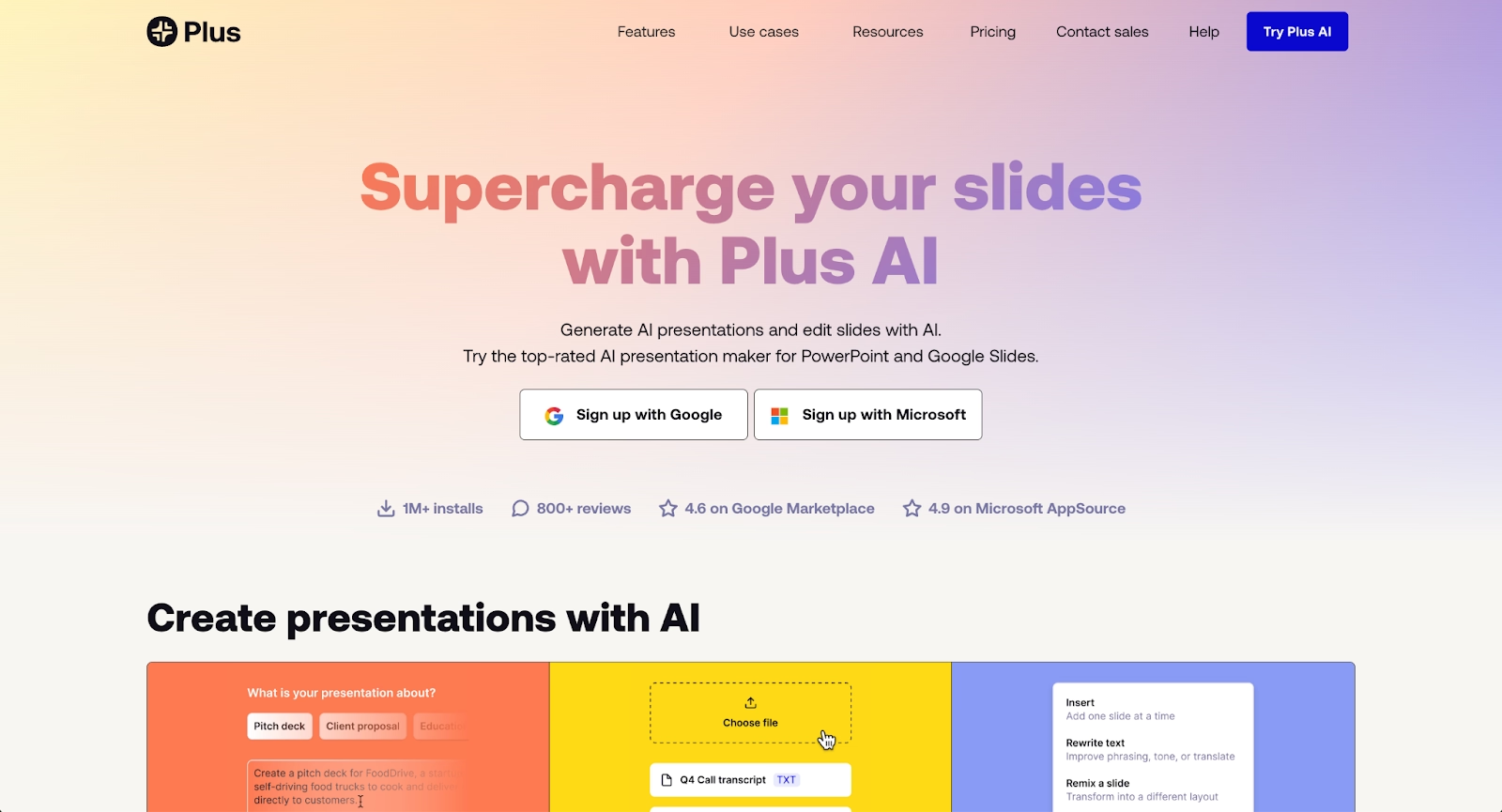
Plus AI works as a native add-on for both Google Slides and PowerPoint, bringing AI-powered presentation generation directly into familiar tools. Users can create presentations from prompts, documents, or spreadsheets without leaving their existing workflow.
The platform offers deep integration with both presentation ecosystems, allowing teams to generate slides, edit content, and remix layouts using AI assistance while maintaining compatibility with their current tech stack. Plus AI supports advanced features like slide editing, custom presets, and document-to-presentation conversion.
Plus AI appeals to teams already embedded in Google Workspace or Microsoft 365 who want AI capabilities without switching to a new platform. Where Tome operates as a standalone tool, Plus AI enhances existing presentation software with generative features.
3. Gamma
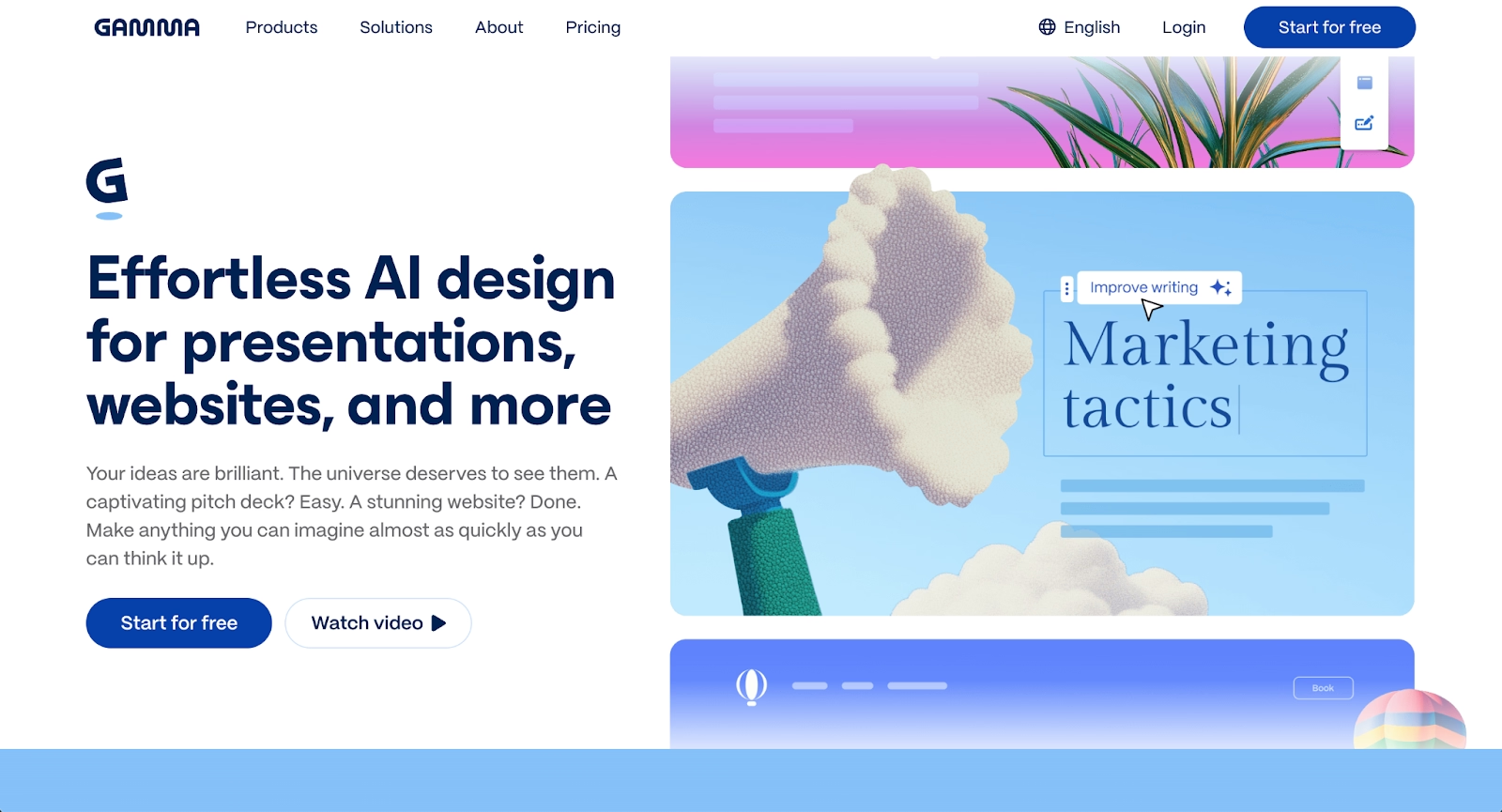
Gamma is an AI-powered platform for creating presentations, docs, and webpages. Like Tome, it uses generative AI tools to structure content and suggest layouts, with a card-based interface that supports flexible arrangement.
Gamma emphasizes speed and dynamic storytelling, allowing users to build interactive content quickly. It appeals to professionals who prioritize rapid AI-generated output and modern visual formats.
Teams comparing Tome and Gamma often choose based on interface preferences and specific functionality needs.
4. Pitch

Pitch is modern presentation software designed for team collaboration. It offers clean presentation templates, real-time editing, and integrated video meetings.
The platform focuses on structured design and brand consistency rather than AI-driven generation. Data integration and analytics make it useful for distributed teams that rely on polished, collaborative workflows.
Pitch is popular among startups and teams that value high-quality design alongside seamless collaboration and customer support.
5. PowerPoint with Copilot
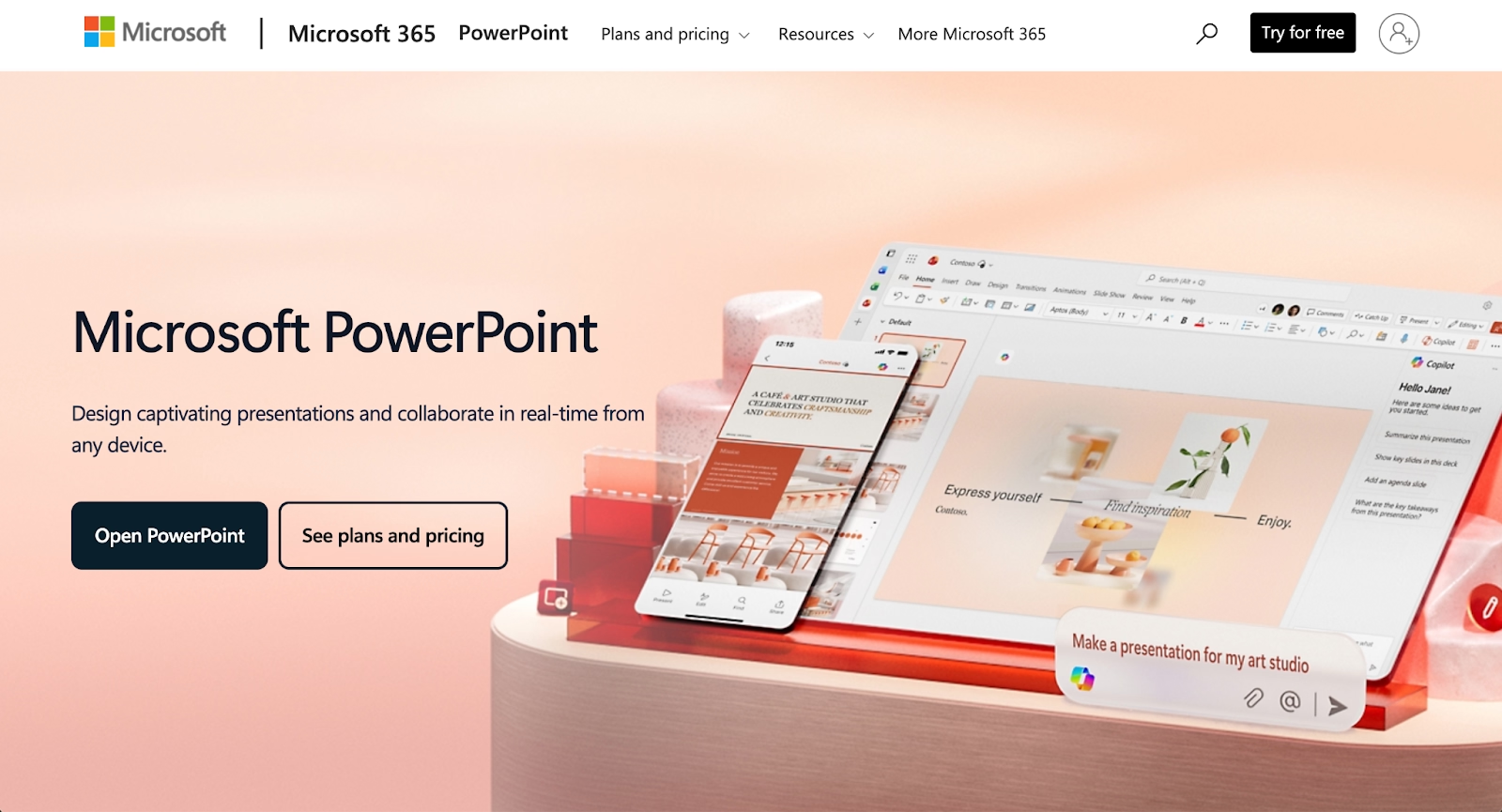
Microsoft PowerPoint remains foundational presentation software, and Copilot integration adds AI-powered assistance for content generation, formatting, and slide creation.
PowerPoint provides deep design flexibility, including animations, custom charts, and extensive export options. Copilot helps users generate AI slides from prompts and improve clarity, combining familiarity with modern AI presentation tools capabilities. It functions like ChatGPT integrated directly into your presentation workflow.
Teams embedded in the Microsoft ecosystem often find this combination more practical than switching to a new platform for their PowerPoint presentation needs.
6. Google Slides with Gemini
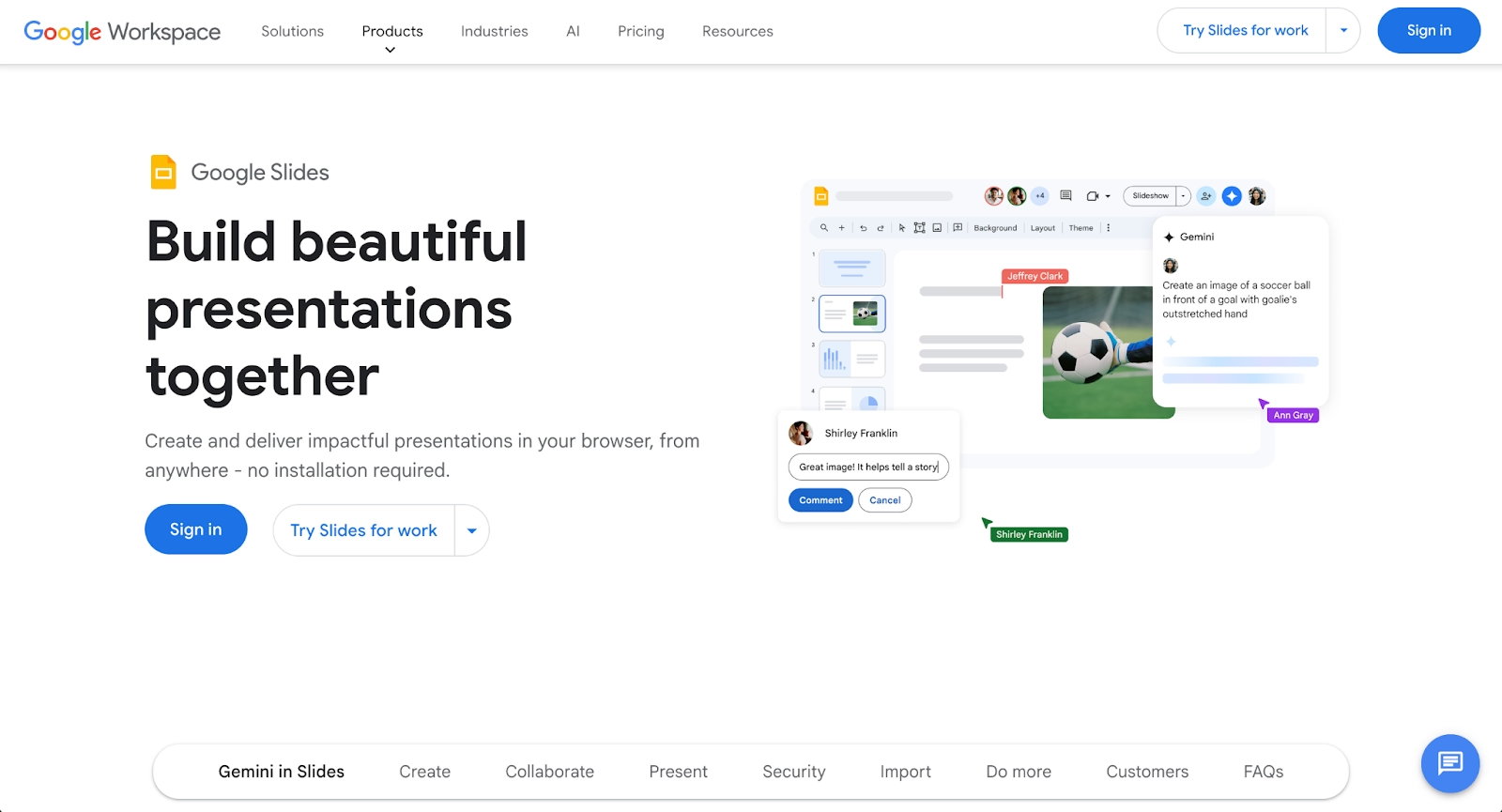
Google Slides, part of the Google Workspace suite, is a cloud-based presentation tool known for accessibility and real-time collaboration.
Google Gemini adds AI-generated text and layout suggestions similar to ChatGPT-style assistance. The platform's free version makes it accessible for cost-conscious teams, and its integration with the broader Google Workspace supports streamlined workflows for creating docs and presentations together.
7. Prezi
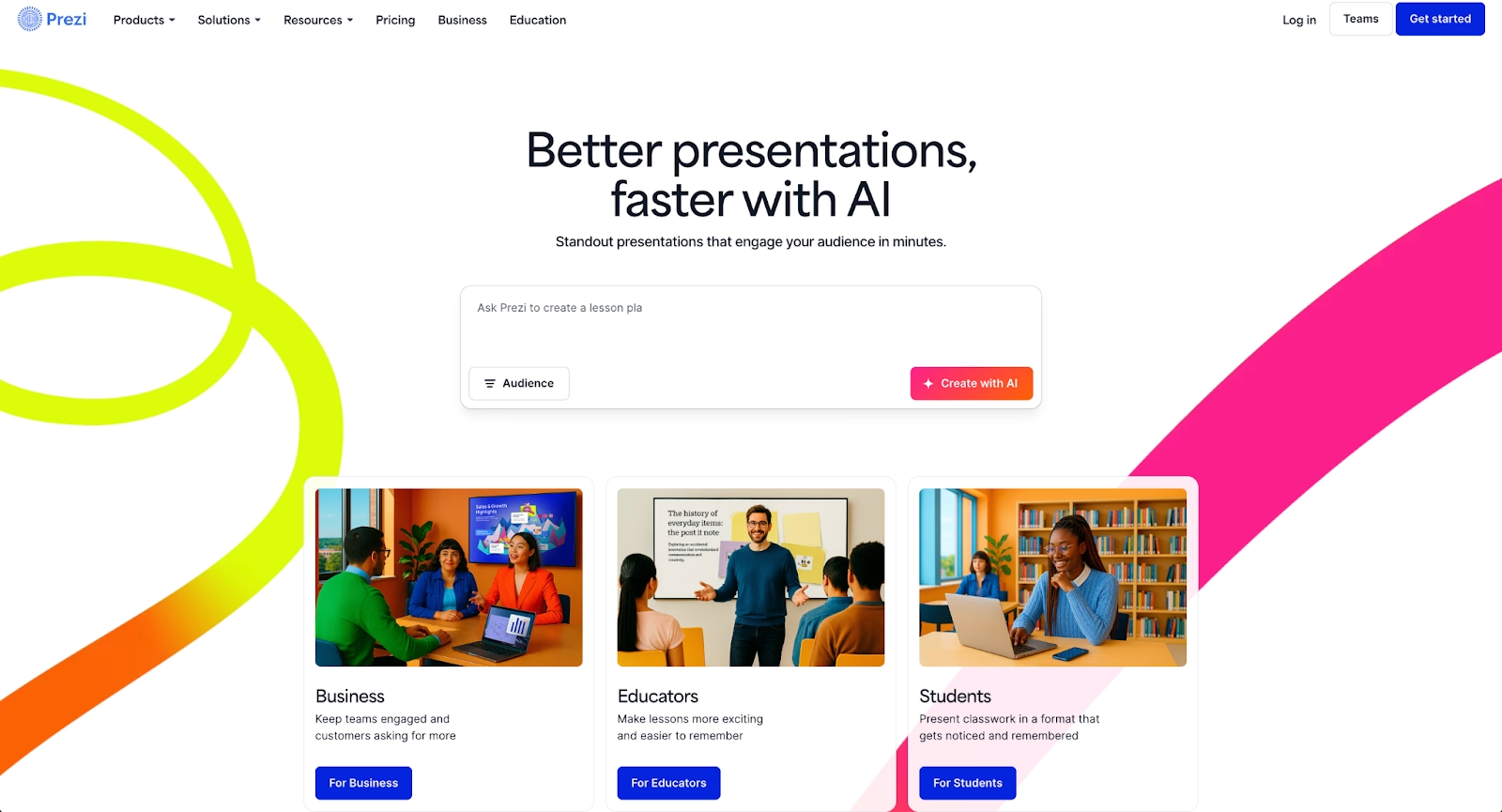
Prezi takes a non-linear approach to presentations, using a zoomable canvas instead of traditional slides. Content is arranged spatially, allowing presenters to move through topics with visual flow and create stunning presentations.
This format works well for storytelling and conceptual presentations. While Prezi lacks the AI generation features found in Tome, it offers a distinctive presentation style that suits specific needs where multimedia and spatial design matter most.
8. Visme

Visme supports presentations, infographics, docs, and videos within a single platform. It offers customizable templates and strong data visualization capabilities.
The user-friendly drag-and-drop editor helps teams produce polished content quickly. Visme is a solid choice for organizations that need versatility and visual consistency across multiple content types, with ease of use as a priority.
9. Slidebean

Slidebean uses AI to automate slide design. Users input content, and the platform structures it using clean, professional templates.
Built for startups and small teams creating pitch decks, Slidebean prioritizes speed and visual polish over granular design control. It appeals to users who want fast, automated output and an intuitive slide deck builder.
Key comparison criteria
These criteria help teams evaluate which alternative best fits their workflow and priorities.
AI features
AI capabilities vary widely across AI presentation tools. Some platforms focus on generating presentations from prompts, while others emphasize automated formatting or AI slide suggestions. Consider how much AI control you need and whether the tool supports your creation style as an effective AI presentation maker.
Ease of use
Interface design and learning curve affect adoption speed. Traditional slide-based editors feel familiar to most users, while AI-first platforms may require adjustment. Evaluate how quickly your team can move from idea to finished presentation with each user-friendly option.
Design quality and templates
Template variety and customization options influence output quality. Platforms like Beautiful.ai enforce design consistency automatically, while others offer more manual control through their template library and design tools.
Collaboration
Real-time collaboration, commenting, version history, and sharing features matter for team workflows. Evaluate how each platform supports distributed collaboration and whether customer support is readily available.
Export and integrations
Export formats (PDF, PPT, web) and integrations with existing tools affect workflow compatibility. Consider how each platform fits your tech stack and whether it supports embedding multimedia or connecting with other design tools.
Pricing
Compare free version options, paid tiers, and feature access at each level. Some platforms include AI credits or limit features on lower tiers.
Quick comparison snapshots
These head-to-head summaries highlight practical differences between Tome and selected alternatives.
Beautiful.ai vs Tome
Beautiful.ai prioritizes automated design consistency, while Tome emphasizes generative content creation. Beautiful.ai works best for teams that want polished, brand-aligned presentations with minimal manual formatting. Tome suits users who prioritize speed and AI-driven generation.
Plus AI vs Tome
Plus AI integrates directly into Google Slides and PowerPoint as a native add-on, while Tome operates as a standalone platform. Plus AI suits teams already using traditional presentation software who want to add AI capabilities to their existing workflow. Tome appeals to users who prefer a purpose-built, AI-first environment optimized for rapid content generation and modern presentation formats. The choice depends on whether you value ecosystem integration or a dedicated AI presentation experience.
Gamma vs Tome
Both platforms use AI to accelerate content creation, but they differ in interface and workflow. Gamma's card-based format supports flexible arrangement, while Tome emphasizes linear storytelling. The choice often comes down to interface preference and functionality requirements.
Conclusion
Selecting the right presentation software depends on your workflow, team size, and content priorities. Tome offers strong AI-driven generation, but alternatives like Beautiful.ai, Canva, and Pitch bring distinct strengths in design automation, versatility, and collaboration.
Evaluate AI presentation tools based on their capabilities, ease of use, design quality, collaboration features, integrations, and pricing to find the platform that best supports your presentation needs. The right choice aligns with how your team works and what you need your presentations to accomplish.
Why customers are switching to Beautiful.ai
Beautiful.ai is an AI-powered presentation platform that helps teams create polished, on-brand slides in a fraction of the time, without design skills or manual formatting.
- Design automation built in. Whether you're building pitch decks, reports, or internal presentations, Beautiful.ai’s Smart Slides automatically format content so you never worry about spacing, alignment, or layout again. Add your content, and the design adjusts instantly.
- ️No design experience required. Create professional decks without touching text boxes or manually arranging elements. Choose from Smart Templates and let the AI handle layout decisions, visual hierarchy, and consistency across the entire deck.
- Branding? Already handled. Keep every slide on-brand with your fonts, colors, and logos applied automatically. Beautiful.ai ensures every team member creates presentations that look like they came from a dedicated design team—without extra work.
- Real-time collaboration & team controls. Collaborate directly on the same deck, leave comments, manage permissions, and maintain consistency across team presentations. Perfect for growing teams and cross-functional workflows.
- Faster workflows, fewer revisions. Jump from rough outline to polished presentation in minutes, not hours. Beautiful.ai reduces back-and-forth edits by enforcing on-brand design rules and helping you iterate faster with AI-assisted slide creation.
